


This week: Raycash teased Paylinks with launch a few weeks away, Privacy Pools v2 went live with payments, yield and swaps, Zcash developers planned a fix for a quantum gap in ZEC swaps, and Zama opened claiming for confidential rewards.
In House
A few things from our side first.
What happened at Raycash this week:
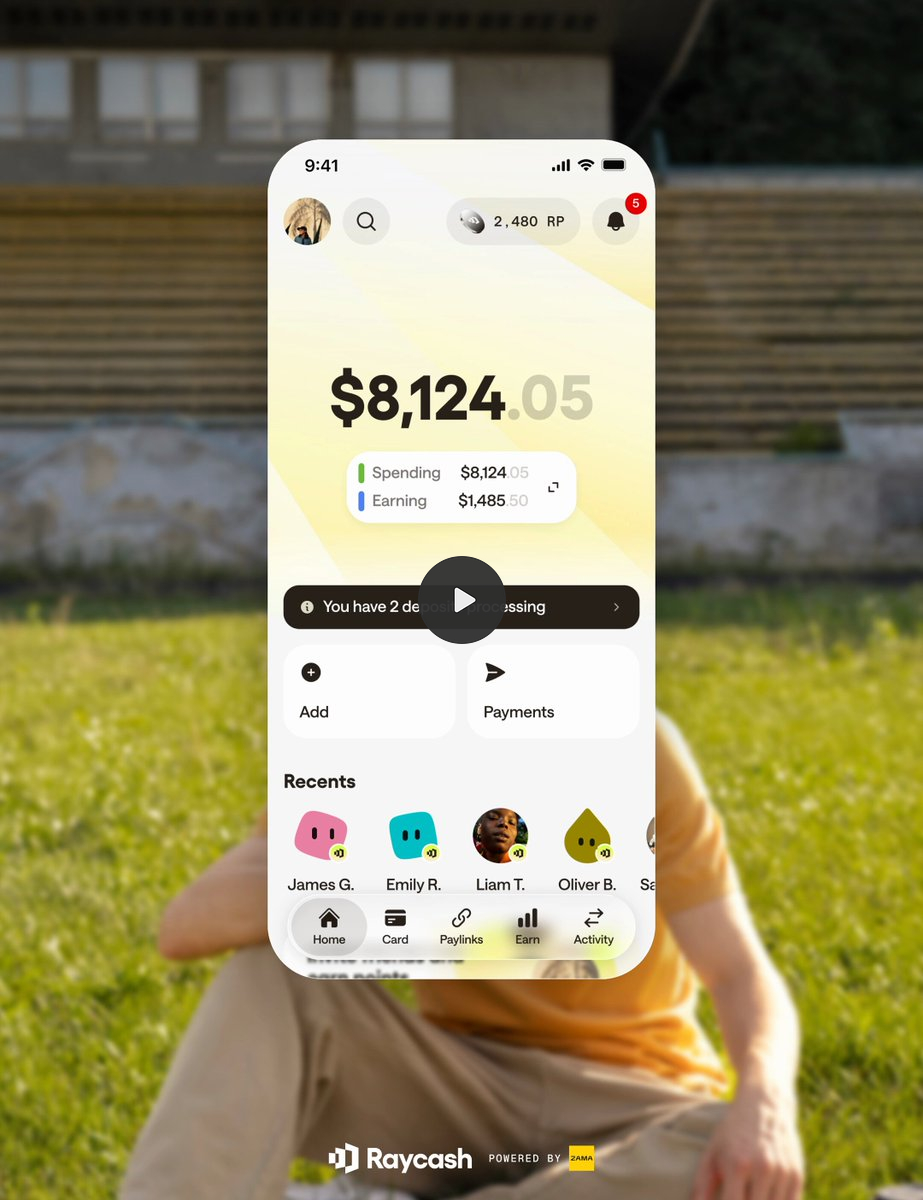
We teased Paylinks this week. A Paylink is a private payment link. Getting paid on chain usually means handing someone a wallet address, and anyone holding that address can read the full history behind it. A Paylink gets you paid anywhere by anyone without that exposure.
Join the waitlist at raycash.xyz →

On Our Radar
Here is what got us excited this week:
Privacy Pools v2 adds payments, yield and swaps
0xbow launched Privacy Pools v2 on October 21 across seven networks, including Ethereum, Arbitrum, Base and OP Mainnet. Once funds are shielded, you can pay any EVM address while hiding who paid whom and how much, and request money through a shareable link. Pooled deposits can earn Aave lending yield without leaving the pool, and a LI.FI integration allows private swaps, including into a different token or onto another chain. The compliance model stays the same: a screening service has to approve a deposit before it can be used privately, and it can revoke that approval later. Anyone can exit publicly on their own.
Shielded money has mostly sat idle, which keeps anonymity sets thin. Yield gives people a reason to stay inside, and every extra dollar makes everyone else harder to trace. We think that’s the right direction, and it’s the same idea behind confidential yield. The open question is the screening service. Whoever approves deposits, and can revoke approval, sits in the trust model.
Starknet holders back research into a post-quantum Layer 1
Starknet holders voted to research leaving Ethereum behind as an independent, post-quantum Layer 1. More than 93.5% of the voting power backed the proposal in a seven-day poll that closed October 22, with over 2,800 wallets taking part. StarkWare did not vote. For now it’s research only. A draft whitepaper is due in November, and STRK holders would have to vote again on any actual move. The Starknet Foundation says STRK stays the native token, no new token is planned, and Ethereum bridges stay open.
The reasoning is specific. Starknet is built on hash-based cryptography, and its accounts can adopt post-quantum signatures without protocol changes. Its bridge and data availability still rest on Ethereum, and those can’t become quantum-safe on their own. StarkWare’s CEO has set a 2027 target for Starknet and calls Ethereum’s 2029 target too late. Privacy systems have a longer horizon than most, since encrypted data posted today stays on chain for years.
Zama opens claiming for confidential rewards
Depositors in Zama’s confidential vaults on Morpho, which launched with 16 curated vaults in September, can now claim $cZAMA rewards from Merkl campaigns through confidential transfers. Neither the position nor the payout shows onchain, and rewards are calculated on encrypted balances. The Flowdesk Confidential High Yield USDT vault campaign ended October 12, and its rewards are claimable now.
Earn yield, hold a position and collect incentives without a public balance. That completes the loop, and incentives were the missing piece. One detail worth knowing: depositors grant Merkl delegated viewing access to their encrypted balance, on by default, and deposits that don’t share it earn no rewards. The privacy holds against the public, with one trusted viewer in the loop.
Thanks,
From the Raycash team
